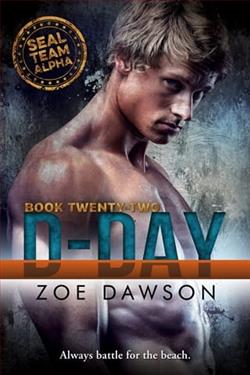
D-Day by Zoe Dawson is a compelling entry into the genre of historical fiction, focused intently on one of the most pivotal events of the 20th century – the Normandy invasion. Through Dawson’s narrative, readers are thrust into the gritty reality of World War II, experiencing the suspense, the horror, and the heroism through the lens of her well-crafted characters. This review explores Dawson’s storytelling approach, character development, and how D-Day stands out in a crowded field of World War II narratives.
The book’s strength lies in its vivid portrayal of D-Day, also known as Operation Overlord, which marked a significant turning point during World War II. Dawson meticulously details the preparation, execution, and aftermath of the invasion, blending historical facts with human emotion and drama. Her narrative is well-researched, giving readers not just historical context but also a palpable sense of the chaos and complexity of war. The descriptions of the beaches – Omaha, Utah, Gold, Juno, and Sword – are particularly visceral, with the cacophony of gunfire, the sharp scent of smoke, and the chilling fear of death rendered in almost palpable terms.
Characterization is another of Dawson’s strong suits. The novel does not just focus on a single protagonist but presents a tapestry of characters, each bringing their unique perspectives to the evolving canvas of war. One of the standout characters is Lieutenant James Walker, a young American officer whose initial naivety about war is shattered by the brutal reality of the battlefield. Through characters like Walker, Dawson explores the psychological and emotional toll of war, adding layers to what might otherwise be a straightforward military narrative.
Furthermore, Dawson’s inclusion of perspectives from different Allied forces, including British, Canadian, and French resistance members, enriches the narrative. This multiplicity of viewpoints not only underscores the collaborative nature of the D-Day invasion but also highlights the diverse experiences and backgrounds of those involved. It is through Officer Edith Cloutier, a liaison with the French Resistance, that Dawson particularly shines. Cloutier’s storyline introduces espionage and intrigue, providing a counterpoint to the more direct combat aspects of the invasion.
In crafting her story, Zoe Dawson pays close attention to both the broad sweep of military strategy and the minute personal details that bring history to life. Her prose is clear and direct, yet capable of conveying deep emotion and tension. This balance keeps the reader engaged and makes the complex operation more approachable. Dawson does not shy away from the toll of the conflict, presenting the grim realities of war without glorification. The physical and psychological scars borne by soldiers are portrayed with sensitivity and realism, inviting reader empathy and understanding.
However, the wide scope of characters and events in D-Day is a double-edged sword. While it allows for a comprehensive view of the operation, it occasionally leads to narrative fragmentation, where the reader may lose track of certain characters amidst the rapidly shifting plot points. Despite this, Dawson manages to maintain coherence and momentum, driving home the chaos of war itself. Her ability to articulate the stakes, both large and small, ensures that the narrative never feels disconnected or overly diffuse.
A particularly noteworthy aspect of D-Day is Dawson’s use of authentic military terminology and tactics, which lends credibility to the narrative while educating the reader. This attention to detail is crucial in historical fiction, and Dawson handles it adeptly, making the logistics of military operations accessible to those who might not be familiar with military history.
In conclusion, Zoe Dawson’s D-Day offers a stirring, comprehensive account of one of the most significant days in World War II. Her skilled blending of factual military details with deep human stories results in a novel that is both informative and moving. While the book might occasionally struggle with pacing due to its ambitious scope, its strengths in characterization, descriptive precision, and emotional depth make it a notable contribution to the genre of historical war fiction. It is recommended for readers who appreciate a holistic, intensely human portrayal of historical events, crafted with care and expertise.



