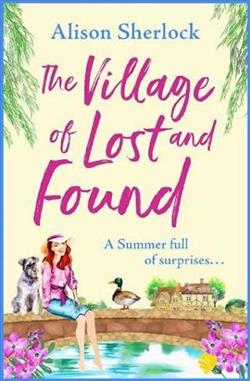
Alison Sherlock's "The Village of Lost and Found" offers a delightful escape into the charming yet complex world of Cranbridge, a village that serves as the backdrop for a tale of redemption, community, and unexpected romance. This contemporary fiction novel, with its engaging narrative and relatable characters, invites readers to explore themes of personal growth, the importance of community, and the healing power of love and friendship.
The story centers around Lucy Conway, a once notorious party girl from London who finds herself in need of a fresh start. Her escape to Cranbridge, prompted by a scandal, is not just a geographical shift but a journey towards self-discovery and healing. Sherlock crafts Lucy's character with a deft hand, allowing readers to witness her transformation from a woman defined by her past mistakes to someone who learns to embrace her strengths and vulnerabilities. Lucy's journey is reminiscent of the character arcs found in novels by authors like Jill Mansell and Katie Fforde, where protagonists often find solace and new beginnings in quaint, picturesque settings.
Lucy’s arrival in Cranbridge is marked by her reunion with Uncle Frank, whose ailing health and struggling newspaper, The Cranbridge Times, become central to the plot. The newspaper, a symbol of Frank's legacy and the village's history, is at risk of closure, adding a layer of urgency and purpose to Lucy's stay. The depiction of the newspaper's plight serves as a poignant commentary on the challenges faced by local journalism in a digital age, a theme that resonates with contemporary readers who have witnessed similar struggles in their own communities.
Tom Addison, the Editor-at-Large of The Cranbridge Times, is another compelling character whose development is intricately woven into the narrative. Initially portrayed as a man burdened by self-doubt and the weight of responsibility, Tom's interactions with Lucy catalyze his own journey of self-discovery. Their partnership, both professional and personal, is portrayed with a refreshing authenticity. Sherlock skillfully avoids the pitfalls of predictable romance, instead opting for a slow-burning connection that feels genuine and earned. The chemistry between Lucy and Tom is reminiscent of the nuanced relationships found in the works of authors like Jojo Moyes, where emotional depth takes precedence over superficial attraction.
One of the novel's standout features is its vivid portrayal of village life. Cranbridge, with its quirky inhabitants and idyllic landscapes, becomes a character in its own right. Sherlock's descriptive prowess brings the village to life, allowing readers to immerse themselves in its charm and eccentricities. The sense of community is palpable, with secondary characters adding richness and depth to the narrative. From the local pub gatherings to the collective efforts to save the newspaper, the village's spirit of camaraderie and resilience is a testament to the power of community, a theme that will resonate with fans of Maeve Binchy and Rosamunde Pilcher.
Alison Sherlock's writing style is both engaging and accessible, characterized by a warmth and humor that endears readers to her characters and their journeys. Her ability to balance lighthearted moments with deeper emotional undertones ensures that the novel maintains a steady pace, keeping readers invested from start to finish. The inclusion of a stray dog as a catalyst for change and connection adds an element of whimsy and heart, further enhancing the novel's emotional impact.
Emotionally, "The Village of Lost and Found" is a satisfying read that offers moments of introspection and joy. Sherlock's exploration of themes such as forgiveness, self-acceptance, and the courage to embrace new beginnings is executed with sensitivity and insight. The novel's conclusion, while predictable in its optimism, is nonetheless gratifying, providing a sense of closure and hope that will leave readers with a smile.
In conclusion, Alison Sherlock's "The Village of Lost and Found" is a heartwarming addition to the contemporary fiction genre, appealing to readers who enjoy stories of personal growth set against the backdrop of charming rural life. With its well-drawn characters, engaging plot, and themes of community and redemption, the novel stands as a testament to the enduring appeal of stories that celebrate the human spirit. Whether you're a fan of romantic fiction or simply in search of a feel-good read, this book is sure to delight and inspire.



