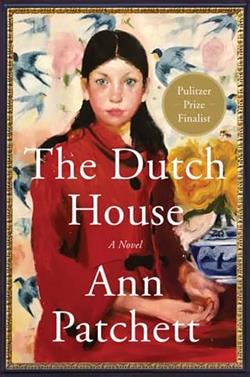
Ann Patchett's novel, The Dutch House, is a compelling exploration of family dynamics, memory, and the indelible impact of the past. Set against the backdrop of a grandiose estate outside Philadelphia, the novel intricately weaves a narrative that spans five decades, focusing on the lives of siblings Danny and Maeve Conroy. Through the lens of Danny's narration, Patchett crafts a story that is both a dark fairy tale and a poignant examination of familial bonds.
At the heart of The Dutch House is the complex relationship between Danny and Maeve. Their bond is the emotional core of the novel, providing both solace and tension as they navigate the challenges imposed by their stepmother's betrayal. Maeve, with her sharp wit and protective nature, emerges as a formidable character whose influence on Danny is profound. Patchett skillfully develops their relationship, highlighting how their shared experiences of loss and displacement shape their identities and choices. The siblings' reliance on each other is both their salvation and their limitation, as they struggle to move beyond the shadow of their past.
The titular Dutch House itself is more than just a setting; it is a symbol of both aspiration and downfall. Patchett imbues the house with a haunting presence, representing the unattainable ideal of home and security that eludes the Conroy family. The house's opulence contrasts starkly with the emotional poverty experienced by its inhabitants, underscoring the novel's theme of the hollowness of material wealth. As Danny and Maeve repeatedly return to the house, both physically and in their memories, the reader is invited to consider how places can hold power over us, shaping our lives long after we have left them behind.
Patchett's writing style in The Dutch House is both elegant and accessible, characterized by her keen observational skills and ability to convey deep emotional truths with subtlety. Her prose is richly descriptive, bringing the Dutch House and its surroundings to life with vivid detail. Yet, it is in her portrayal of the characters' inner lives that Patchett truly excels. She captures the nuances of sibling dynamics, the complexities of parental relationships, and the enduring impact of childhood experiences with remarkable insight.
One of the novel's most striking achievements is its exploration of memory and the ways in which it shapes our understanding of ourselves and our relationships. Danny's narration is suffused with nostalgia and longing, as he grapples with the fragmented nature of his recollections. Patchett deftly illustrates how memory can be both a refuge and a prison, offering comfort while also trapping individuals in cycles of regret and resentment. This theme resonates with readers, inviting them to reflect on their own experiences of memory and loss.
In terms of emotional impact, The Dutch House is both heart-wrenching and uplifting. Patchett masterfully balances moments of humor and warmth with the underlying melancholy that permeates the story. The novel's exploration of forgiveness and reconciliation is particularly moving, as Danny and Maeve confront the people and events that have shaped their lives. Patchett's ability to evoke empathy and understanding for her characters ensures that their journey is both relatable and deeply affecting.
Comparatively, The Dutch House shares thematic similarities with works such as The Great Gatsby by F. Scott Fitzgerald, in its examination of wealth and the American Dream, and Wuthering Heights by Emily Brontë, in its portrayal of a haunting, all-consuming attachment to a place. However, Patchett's novel stands out for its focus on the sibling relationship, a dynamic that is less commonly explored with such depth and nuance in contemporary literature.
Overall, Ann Patchett's The Dutch House is a beautifully crafted novel that offers a profound meditation on family, memory, and the enduring influence of the past. Its richly drawn characters, evocative setting, and insightful exploration of universal themes make it a standout work in the realm of literary fiction. Readers who appreciate character-driven narratives and thoughtful examinations of human relationships will find much to admire in this captivating tale. Whether you are a long-time fan of Patchett's work or new to her writing, The Dutch House is a novel that will linger in your thoughts long after the final page is turned.



