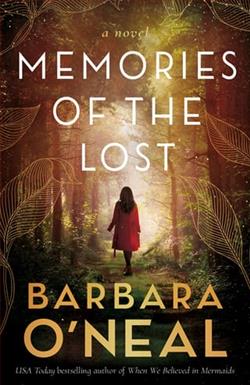
Barbara O'Neal's latest novel, Memories of the Lost, is a captivating exploration of identity, memory, and the intricate tapestry of family secrets. Known for her ability to weave complex emotional landscapes, O'Neal once again delivers a story that is both poignant and thought-provoking, inviting readers to delve into the mysteries of the past alongside her protagonist, Tillie Morrisey.
At the heart of Memories of the Lost is Tillie, an artist grappling with the recent death of her mother and the subsequent unearthing of long-buried secrets. O'Neal crafts Tillie with a deft hand, presenting her as a multi-dimensional character whose journey is as much about self-discovery as it is about unraveling her mother's enigmatic past. The novel opens with a seemingly innocuous visit to an art gallery, where a painting triggers a visceral reaction in Tillie, setting off a chain of events that will lead her to question everything she thought she knew about her life.
O'Neal's writing style is both lyrical and immersive, drawing readers into the lush, evocative settings that serve as the backdrop for Tillie's quest. The seaside village in England, where much of the novel unfolds, is depicted with such vivid detail that it becomes a character in its own right. This setting not only enhances the novel's atmospheric quality but also serves as a metaphor for the fluidity of memory and the ebb and flow of personal history.
The theme of memory is central to Memories of the Lost, and O'Neal explores it with a nuanced understanding of its complexities. Tillie's experience with fugue states and resurfacing memories raises intriguing questions about the reliability of memory and the ways in which our past shapes our present. This exploration is reminiscent of works by authors like Kate Morton and Kristin Hannah, who similarly delve into the interplay between memory and identity in their novels.
As Tillie delves deeper into her mother's secrets, she is forced to confront her own sense of self and the possibility that her life has been built on a foundation of lies. O'Neal handles this internal conflict with sensitivity, allowing Tillie's character development to unfold organically. Her journey is marked by moments of vulnerability and strength, making her a relatable and compelling protagonist. The emotional impact of Tillie's revelations is profound, resonating with readers who have ever questioned their own histories or grappled with the legacies left by their parents.
In addition to its exploration of memory and identity, Memories of the Lost also delves into themes of love and connection. Tillie's relationship with Liam, the stranger who comes to her aid at the gallery, adds an element of romance to the narrative. Their connection is immediate and intense, yet O'Neal avoids the pitfalls of a clichéd love story by imbuing their relationship with depth and complexity. The chemistry between Tillie and Liam is palpable, and their interactions are marked by a genuine sense of understanding and support.
O'Neal's ability to balance multiple themes and narrative threads is one of the novel's greatest strengths. She seamlessly weaves together the personal and the universal, creating a story that is both intimate and expansive. The novel's exploration of the empowering strength of character, the beauty of nature, and the love of family is artfully executed, resulting in a rich and rewarding reading experience.
For fans of literary fiction and those who appreciate stories that delve into the intricacies of human emotion, Memories of the Lost is a must-read. Barbara O'Neal has crafted a novel that is both a mystery and a meditation on the nature of memory and identity. Her skillful storytelling and evocative prose ensure that this book will linger in the minds of readers long after the final page is turned.
In conclusion, Memories of the Lost is a testament to Barbara O'Neal's prowess as a storyteller. Her exploration of memory, identity, and the secrets that bind families together is both insightful and moving. With its richly drawn characters, evocative settings, and compelling narrative, this novel is sure to captivate readers and solidify O'Neal's reputation as a master of emotional and thought-provoking fiction.



