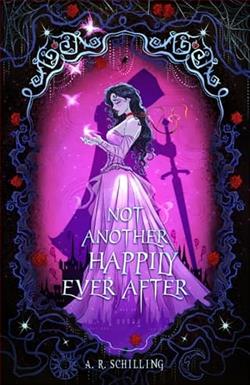
A.R. Schilling's "Not Another Happily Ever After" is a captivating foray into the fantasy genre, weaving a tale that challenges the conventions of traditional fairy tales. Set in the imaginative realm of Riches and Ruin, the novel explores themes of love, sacrifice, and the complexities of destiny. Schilling crafts a narrative that is both familiar and refreshingly original, drawing readers into a world where magic and reality intertwine in unexpected ways.
The central theme of "Not Another Happily Ever After" revolves around the idea of a curse that threatens to unravel the very fabric of two kingdoms. This curse, cast by a fallen Fairy Godmother, serves as a metaphor for the unforeseen consequences of power and ambition. Schilling uses this premise to delve into the nature of curses—not just as magical afflictions but as reflections of human flaws and failures. The narrative suggests that true resolution comes not from external forces but from within, a concept that resonates deeply in today's world.
Character development is a standout feature of Schilling's work. The half-dead princess, whose heart is at the center of the story, is portrayed with depth and nuance. Her journey from a passive victim of circumstances to an active participant in her fate is both compelling and inspiring. Schilling avoids the trope of the damsel in distress, instead presenting a character who is resilient and resourceful. The not-so-charming prince, tasked with saving the kingdoms, is equally well-developed. His character arc challenges the traditional notion of heroism, presenting a flawed yet relatable figure who must confront his own limitations and prejudices.
The masked knight, a pivotal character in the narrative, adds an intriguing layer of complexity. His motivations and loyalties are shrouded in mystery, creating tension and suspense. Schilling skillfully uses this character to explore themes of identity and redemption, making the reader question what it truly means to be a hero. The interactions between these three characters form the emotional core of the novel, driving the plot forward while offering profound insights into the human condition.
Schilling's writing style is both lyrical and evocative, reminiscent of authors like Neil Gaiman and Naomi Novik. The prose is rich with vivid imagery, painting a world that is both enchanting and perilous. Schilling's ability to balance detailed world-building with character-driven storytelling is commendable, ensuring that the fantastical elements enhance rather than overshadow the narrative. The dialogue is sharp and witty, providing moments of levity amidst the darker themes, and the pacing is well-judged, maintaining a sense of urgency without sacrificing depth.
The emotional impact of "Not Another Happily Ever After" is profound. Schilling masterfully evokes a range of emotions, from the heart-wrenching despair of a kingdom on the brink of ruin to the tender hope of a love that defies fate. The novel's exploration of love is particularly poignant, challenging the notion of "happily ever after" by presenting a more nuanced and realistic portrayal of relationships. Love, in Schilling's world, is not a magical cure-all but a force that requires sacrifice, understanding, and growth.
Comparisons to other works in the fantasy genre are inevitable, yet Schilling's novel stands out for its originality and depth. While it shares thematic elements with classics like "Beauty and the Beast" and "Sleeping Beauty," "Not Another Happily Ever After" subverts these tales, offering a fresh perspective that is both thought-provoking and entertaining. The novel's exploration of moral ambiguity and the consequences of choices aligns it with contemporary fantasy works that seek to redefine the genre.
In conclusion, "Not Another Happily Ever After" by A.R. Schilling is a remarkable addition to the fantasy genre. Its exploration of timeless themes, coupled with strong character development and a captivating writing style, makes it a must-read for fans of fantasy literature. Schilling's ability to blend the magical with the mundane results in a story that is both enchanting and deeply resonant. This novel is sure to leave a lasting impression on readers, challenging them to reconsider the nature of curses, love, and the elusive "happily ever after."



