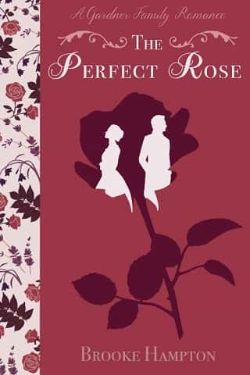
Brooke Hampton's novel, The Perfect Rose, is a delightful foray into the world of Regency romance, where societal expectations and personal desires often clash in a dance as intricate as a waltz. At the heart of this narrative is Lady Rose Gardner, a character whose journey from societal ornament to a woman of depth and agency provides a compelling exploration of self-discovery and love.
Lady Rose Gardner, as her name suggests, is expected to embody the perfection of a rose—flawless and desirable. However, Hampton skillfully peels back the layers of her protagonist to reveal a young woman grappling with the weight of familial expectations and her own aspirations. The pressure from her parents to secure a prestigious marriage is a familiar trope in historical romance, yet Hampton breathes fresh life into it by imbuing Rose with a relatable vulnerability and strength. Her struggle is not merely about finding a suitor but about defining her own identity in a world that seeks to confine her.
The character of Frederick Hastings serves as a perfect foil to Lady Rose. His initial role as a charming, somewhat mischievous gentleman who enjoys needling Rose and her formidable mother adds a lightness to the narrative. However, as the story unfolds, Frederick's depth becomes apparent. His journey is one of transformation, as he learns to see beyond societal facades and appreciates the genuine beauty in imperfection. This dynamic between Rose and Frederick is reminiscent of the classic tension found in Jane Austen's works, where initial misunderstandings give way to mutual respect and affection.
Hampton's writing style is both elegant and accessible, capturing the essence of the Regency era with a modern sensibility that will appeal to contemporary readers. Her prose is rich with vivid descriptions that bring the setting to life, from the opulent ballrooms to the serene English countryside. The dialogue is sharp and witty, often serving as a vehicle for character development and thematic exploration. Through their exchanges, Rose and Frederick navigate the complexities of their social world, revealing their true selves in the process.
The major themes of The Perfect Rose revolve around the notions of identity, societal expectations, and the pursuit of genuine happiness. Hampton deftly explores how these themes intersect, particularly through Rose's internal conflict. Her journey is not just about finding love but about reconciling her desires with the roles imposed upon her. This theme of self-discovery is universal, resonating with readers who have ever felt the pressure to conform to external standards.
Emotionally, the novel strikes a delicate balance between humor and poignancy. The banter between Rose and Frederick provides levity, while their individual struggles lend the story a deeper emotional resonance. Hampton's ability to evoke empathy for her characters is one of the novel's strengths, drawing readers into their world and making their triumphs and setbacks feel personal.
In comparison to other works in the Regency romance genre, The Perfect Rose stands out for its nuanced character development and thematic depth. While it shares the romantic tension and societal intrigue of Georgette Heyer's novels, Hampton's focus on personal growth and authenticity offers a refreshing perspective. The novel's exploration of imperfection as a source of beauty and strength is a poignant reminder that true love often requires vulnerability and sacrifice.
Overall, Brooke Hampton's The Perfect Rose is a captivating addition to the world of historical romance. Its engaging characters, elegant prose, and thoughtful exploration of timeless themes make it a must-read for fans of the genre. Whether you're a seasoned reader of Regency tales or new to the world of ballrooms and courtships, this novel promises a rewarding and emotionally satisfying experience.



