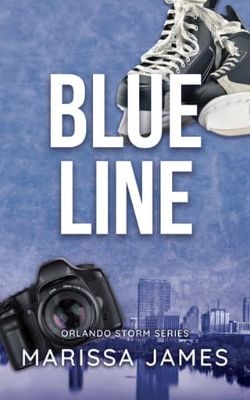
Marissa James' "Blue Line" is a captivating addition to the Orlando Storm series, offering a delightful blend of romance, sports, and the ever-popular fake engagement trope. As the fourth book in the series, it stands alone with ease, welcoming both new readers and those familiar with James' previous works. The narrative follows the protagonist's journey through a web of emotions, relationships, and personal growth, making it a compelling read for fans of contemporary romance.
At the heart of "Blue Line" is the protagonist's struggle with self-worth and the societal pressures of appearing successful. The story begins with a seemingly innocuous lie, a relatable situation that spirals into a complex charade. This premise sets the stage for a rich exploration of themes such as identity, love, and the blurred lines between reality and pretense. Marissa James skillfully navigates these themes, creating a narrative that resonates with readers who have ever felt the need to prove themselves in the eyes of others.
The character development in "Blue Line" is one of its strongest aspects. The protagonist is portrayed with depth and nuance, her vulnerabilities and strengths laid bare for the reader to see. Her interactions with Weston Reynolds, her brother's best friend and the man enlisted to play her fake fiancé, are particularly engaging. Weston is not just a one-dimensional love interest; he is a well-rounded character with his own insecurities and aspirations. Their chemistry is palpable, and James does an excellent job of building tension and intimacy between them.
As the story unfolds, the lines between the fake engagement and genuine feelings begin to blur, a common trope in romance novels but executed with fresh energy here. The emotional impact of their evolving relationship is profound, as both characters confront their fears and desires. James' portrayal of their journey from friends to potential lovers is both heartwarming and realistic, capturing the complexities of modern relationships.
Marissa James' writing style is engaging and accessible, characterized by witty dialogue and vivid descriptions. Her ability to create a sense of place and atmosphere is evident throughout the novel, particularly in the scenes set against the backdrop of the sports world. The inclusion of sports elements adds an exciting dimension to the narrative, appealing to readers who enjoy stories with an athletic twist. Comparisons can be drawn to works by authors like Helena Hunting and Elle Kennedy, who similarly blend romance with sports settings to great effect.
One of the most striking aspects of "Blue Line" is its emotional depth. James does not shy away from exploring difficult topics, such as the protagonist's feelings of inadequacy and the impact of parental loss. These elements add layers to the story, making it more than just a light-hearted romance. The discussions around side characters being pregnant and the protagonist's reflections on family dynamics further enrich the narrative, providing a well-rounded reading experience.
While "Blue Line" is primarily a romance novel, it also offers valuable insights into personal growth and self-acceptance. The protagonist's journey is one of empowerment, as she learns to navigate her own path and embrace her true self. This theme of self-discovery is universal, resonating with readers who have faced similar challenges in their own lives.
In conclusion, "Blue Line" by Marissa James is a standout novel in the contemporary romance genre. Its engaging plot, well-developed characters, and emotional resonance make it a must-read for fans of sports romance and those who appreciate stories about love and personal growth. James' ability to blend humor, heart, and authenticity ensures that "Blue Line" will leave a lasting impression on its readers, inviting them to reflect on their own experiences and the nature of love itself.



