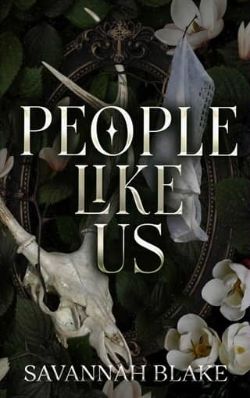
Savannah Blake's novel, People Like Us, is a poignant exploration of identity, societal expectations, and the transformative power of love. Set against the evocative backdrop of a small Southern town, the story delves into the life of Lola Sinley, a young woman navigating the complex web of appearances and personal desires. This coming-of-age tale resonates with themes of acceptance, longing, and the struggle to reconcile one's true self with the roles imposed by society.
At the heart of People Like Us is Lola Sinley, a character crafted with depth and nuance. Lola embodies the quintessential golden girl, adored by her community and seemingly destined for a life of conformity. Her relationship with the preacher’s son epitomizes the expectations placed upon her, yet beneath her polished exterior lies a yearning for authenticity. Blake skillfully portrays Lola's internal conflict, capturing the tension between her public persona and her private aspirations. This duality is a universal theme, reminiscent of the struggles faced by characters in works like The Great Gatsby by F. Scott Fitzgerald, where appearances often mask deeper truths.
The introduction of August Brooks, the outcast who sees through Lola's facade, serves as a catalyst for her transformation. August's character is a refreshing contrast to the world Lola inhabits. His sarcasm and perceptiveness challenge Lola to confront her fears and desires, igniting a journey of self-discovery. Blake's portrayal of their evolving relationship is both tender and tumultuous, capturing the essence of first love and the courage it takes to be vulnerable. This dynamic is reminiscent of the intense emotional connections found in novels like Looking for Alaska by John Green, where characters are drawn to each other by a shared sense of understanding and defiance against societal norms.
Blake's writing style is both lyrical and evocative, painting a vivid picture of the Southern setting that serves as more than just a backdrop. The heat and hush of Woodland become integral to the narrative, reflecting the simmering tensions and unspoken truths that permeate the town. Her prose is rich with imagery, capturing the beauty and melancholy of a place steeped in tradition and expectation. This atmospheric quality is akin to the works of authors like Harper Lee, whose To Kill a Mockingbird similarly uses setting to enhance the thematic depth of the story.
Emotionally, People Like Us strikes a chord with its exploration of the choices that define us. The narrative structure, which shifts between Lola's high school years and her reflections a decade later, allows readers to witness the lasting impact of her decisions. This dual timeline adds a layer of introspection, as Lola grapples with the remnants of her past and the person she has become. The novel's emotional impact is profound, inviting readers to reflect on their own journeys and the versions of themselves they have left behind.
Blake's exploration of class and societal roles is another significant theme that adds depth to the narrative. Lola's struggle to break free from the expectations of her community highlights the rigid class structures that often dictate one's path in life. This theme is handled with sensitivity and insight, offering a critique of the societal pressures that stifle individuality and perpetuate cycles of conformity. In this regard, People Like Us aligns with novels like The Secret Life of Bees by Sue Monk Kidd, which also examines the intersection of personal identity and societal constraints.
In conclusion, People Like Us by Savannah Blake is a beautifully crafted novel that resonates with readers through its exploration of identity, love, and the courage to defy societal expectations. The compelling character development, evocative writing style, and emotional depth make it a standout in the coming-of-age genre. Blake's ability to weave universal themes into a richly detailed narrative ensures that this story will linger in the minds of readers long after the final page is turned. For those seeking a novel that combines introspection with a captivating narrative, People Like Us is a must-read.



