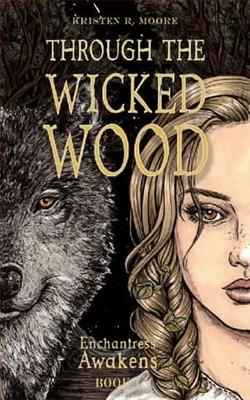
In Through the Wicked Wood, Kristen R. Moore crafts a captivating tale that intertwines themes of self-discovery, resilience, and the struggle against oppressive forces. The story follows Elora Leigh, an Enchantress who is not only on the run from a tyrannical king but also grappling with the profound grief of losing her mother. This duality of external and internal conflict sets the stage for a rich narrative that explores the complexities of human emotion and the nature of power.
From the outset, Elora is portrayed as a deeply layered character. Her decision to hide away in the woods is not merely a physical retreat but a manifestation of her emotional turmoil. Moore skillfully illustrates Elora's internal struggle, making her relatable to anyone who has faced loss or guilt. The author’s use of vivid imagery and evocative language allows readers to feel Elora's pain and isolation, drawing them into her world. As Elora navigates her solitude, the introduction of Sorin, a desperate thief with a noble heart, serves as a catalyst for her transformation. Their meeting is serendipitous, yet it feels inevitable, as both characters are driven by a shared desire for justice in the face of adversity.
Sorin, too, is a well-crafted character, embodying the archetype of the reluctant hero. His determination to save his village from the ravages of nature and a corrupt king adds a layer of urgency to the plot. Moore does an excellent job of developing Sorin’s character, showcasing his moral dilemmas and the sacrifices he is willing to make for his people. The dynamic between Elora and Sorin evolves beautifully throughout the story, transitioning from initial distrust to a budding romance that feels organic and earned. Their relationship is not just a subplot; it is integral to Elora's journey of self-acceptance and empowerment.
Thematically, Through the Wicked Wood delves into the idea of confronting one’s inner demons. Elora’s journey through the woods serves as a metaphor for her path toward healing and self-discovery. As she faces external threats, she must also confront the guilt and fear that have kept her hidden for so long. Moore’s exploration of family secrets and ancient magick adds depth to the narrative, creating a rich tapestry of lore that enhances the story’s stakes. The revelation of these secrets not only propels the plot forward but also serves as a poignant reminder of how the past can shape our present.
Moore’s world-building is commendable, with the Kingdom of Valebridge coming alive through detailed descriptions and a well-constructed magical system. The Wicked Woods themselves are almost a character in their own right, embodying both danger and mystery. The author’s ability to create a sense of place is particularly impressive, as readers can almost feel the oppressive weight of the trees and the lurking shadows. This immersive quality draws readers deeper into the narrative, making them feel as though they are walking alongside Elora and Sorin on their quest.
Moreover, the pacing of the novel is well-executed. Moore balances moments of tension with quieter, introspective scenes that allow for character development. The action sequences are thrilling and well-choreographed, keeping readers on the edge of their seats. Yet, it is the quieter moments that resonate most, as they reveal the characters’ vulnerabilities and desires. This balance ensures that the story remains engaging without sacrificing emotional depth.
In terms of comparison, Through the Wicked Wood shares thematic similarities with works like The Bone Season by Samantha Shannon and The Night Circus by Erin Morgenstern. Both novels explore the interplay of magic and personal struggle, but Moore’s narrative stands out for its focus on the internal battles faced by its characters. The emphasis on emotional growth and the consequences of one’s choices sets it apart in the fantasy genre.
The book also raises important questions about trust and betrayal. As Elora and Sorin delve deeper into their quest, they encounter various characters whose loyalties are ambiguous. This uncertainty adds a layer of tension to the narrative, forcing Elora to grapple with her instincts and the fear of being hurt again. The exploration of trust is particularly poignant, as it mirrors the real-life challenges of forming connections after trauma.
Ultimately, Through the Wicked Wood is a powerful exploration of the human spirit’s resilience in the face of overwhelming odds. Kristen R. Moore has crafted a tale that is both enchanting and thought-provoking, inviting readers to reflect on their own inner monsters and the strength it takes to confront them. The blend of fantasy, romance, and self-discovery makes this novel a compelling read for anyone who enjoys richly woven narratives with strong character development.
In conclusion, if you are looking for a story that combines magic, adventure, and emotional depth, Through the Wicked Wood is a must-read. Kristen R. Moore has created a world that is as enchanting as it is haunting, leaving readers eager for more. This book is not just a journey through the woods; it is a journey into the heart of what it means to be human.



