“No, I’m just saying that people like being told what to do, who to be. It’s why we fall for astrology and personality tests and psychics… At a certain point, all this free will gets to be exhausting. We have to package life into smaller and smaller boxes, categorize and organize it until it becomes manageable. We survive by making sense of the senselessness, by assigning meaning to the random.”
“So,” I reiterate. “To put it simply, it all comes down to dumb luck. But dumb luck isn’t inherently unromantic. Dumb luck can actually be incredibly romantic, in my opinion.”
“I agree,” says Theo. “That’s why every time I used to pass this one bodega in the East Village called Heavenly Market, I’d buy a lottery ticket.”
Rose laughs. “You would? That seems unlike you.”
“I believe in investing in luck.”
The sky behind us has darkened, replacing the sunset with a blanket of cool, indifferent stars. The wind has picked up, and I’m thankful I packed a sweater.
“Ah,” says William, folding his napkin in his lap. “This academic banter reminds me of my time as a boy at Avon Old Farms School.”
“?‘O Captain! My captain!’?” I mock.
“What?” William looks around, disoriented. “Captain? What captain?”
“Never mind,” I sigh, but Theo is laughing, and I realize I love his laugh, how unselfconscious and contagious it is. Even Rose lets out a quick snicker, but she quickly covers it up by bringing a napkin to her face.
After dinner, we part ways. Rose and William go to his yacht, and Theo and I decide to take a walk downtown to grab ice cream.
We stroll through the docks with the boats lit up like Christmas lights, past the weathered brick sidewalks and cobblestone streets, peering into different storefronts. We trade stories about our time on the island—Theo’s impression of Nantucket during his first summer here versus my perspective as someone who calls the island home.
“It’s beautiful,” Theo says as we walk past a line of teens waiting for their ice cream cones.
I choose a flavor called Cobblestones, vanilla ice cream with chocolate-covered cranberries and pretzel pieces. Theo buys a chocolate Oreo cone and then decides he is too full from dinner. “A first for me,” he says before offering some to me and dumping the rest into a trash can.
He continues. “It’s beautiful but it doesn’t seem real. It’s too idyllic, like a street in Disneyland. The proportions are all off.” He pushes against the clapboard face of a real estate office. “Like, I wouldn’t be surprised if this was all cardboard. Movie magic.”
I shake my head. “You have to come back in the winter. It feels more real when all of the vacationers are gone and the weather gets cold again. It still looks like a Hallmark movie, but less like you’re on a movie set and more like you’re traveling back in time.”
I consider William’s insistence that my mom should move. Would she miss this place? Or is it too isolated in the winters? Would she be happier elsewhere? Am I selfish for hoping she stays?
It’s like Theo can hear my thoughts. “Would you be sad if your mom left the island?”
“I want her to be happy, but I also really don’t believe William is the person for her.”
I tell him about Thomas, how I planned to set them up, the disastrous wedding, and how I saw him with Josie the other night.
“You have to tell her,” says Theo when I’m done. “She deserves to know.”
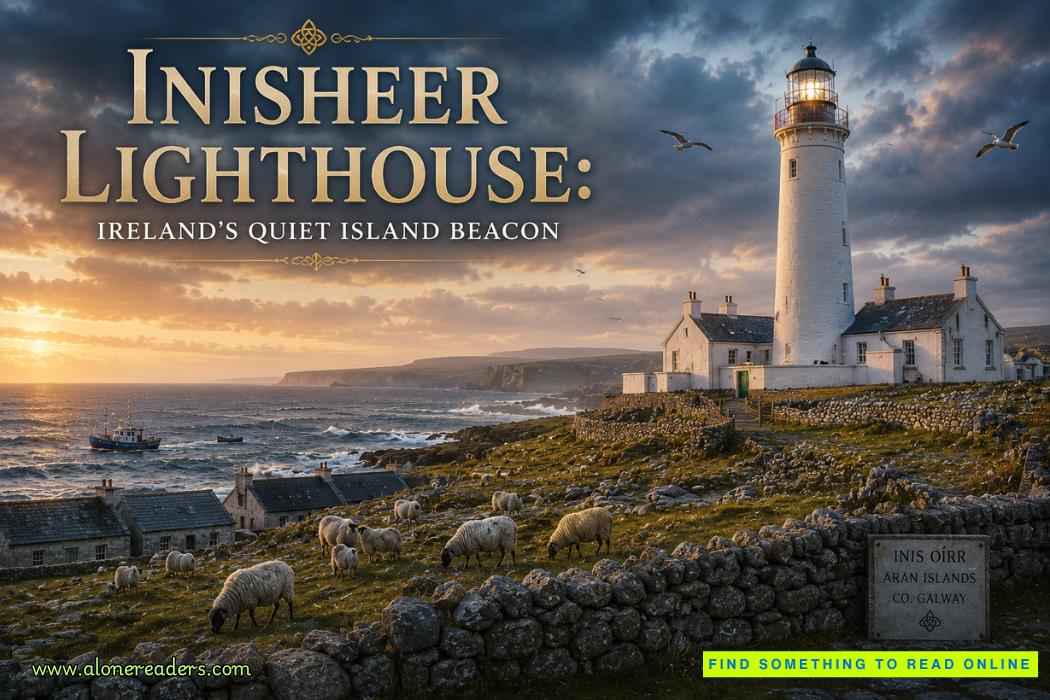
We walk away from the town, toward the lighthouse. I’ve memorized these roads, the stop signs, the curves in each bend like the lines of a favorite poem. It doesn’t hurt that Nantucket is actively preserved, quite literally frozen in time. The entire island is considered a National Historic Landmark District, making it by acre the largest historic district in the United States. Replacing Jeeps with horses and buggies, downtown looks almost exactly as it did in the 1800s, when it was still a small fishermen’s village: brick and clapboard storefronts, cedar-shingled sea captain houses, and stately white church steeples.
“You know,” I say to Theo, changing the subject. “The funny thing about Nantucket is that it wasn’t originally preserved out of some sort of preemptive nostalgia or foresight about its future aesthetic value. Although now it certainly is. Originally, it was left alone simply because it was forgotten. Shifting sand bars made it difficult for larger ships to dock in the harbor. For years, no one bothered to change it. Now that neglect is exactly what gives it charm.”




Right outside of town is the Goose Pond, where Lottie, Rose, and I once fed the white Pekin ducks that roam there. We ripped pieces of bread and threw them into the grasses until the fat birds became aggressive, dozens flocking behind us, squawking. The ducks chased after us as we ran back to the car. We laughed all the way down the bike path and across the long, flat wooden bridge. Between laughs, I kept checking to make sure Lottie didn’t fall. There was no logical reason behind the feeling. Lottie was comparatively young back then, a healthy and active seventy. But even then, even before, I was always worried something bad was going to happen. It was as if I could sense a shift in the air, a ticking clock.
“Do you think I’m being too harsh about William?” I ask Theo.
He shrugs. “I really can’t answer that. That’s for your mom to decide.” He pauses and then grins. “Although, I will say, I was surprised he didn’t offer to split the bill.”
When the check arrived, Rose, Theo, and I all quickly whipped out our credit cards and placed them in the black sleeve. We looked at William, and he was sitting on his hands, smiling a vacant, unselfconscious smile.
Later, when the receipt was returned, we saw they had only charged Rose. She snuck away and must have asked the waitstaff.
“Jeez,” I say. “I feel so bad for my mom about that. I’m going to pay her back, put some money under her pillow like a visit from the tooth fairy.”
“I’ll pay her back,” insists Theo. “And she won’t have to lose any teeth over it.”