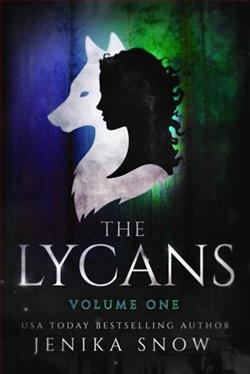
In the crowded genre of paranormal romance, "The Lycans: Vol One" by Jenika Snow offers a promising start to a new series that aims to blend the thrilling elements of werewolf lore with the emotional depth of human relationships. This book introduces us to a world where Lycans, more beast than man yet more human than wolf, navigate their primal instincts alongside their desires for love, acceptance, and community.
Jenika Snow is not new to the world of romance or fantasy, and her expertise shows in the layered portrayal of her characters. "The Lycans: Vol One" centers around the intense, sometimes tumultuous relationship between Remy, a strong-willed Lycan leader, and Elise, a human woman with a mysterious past that's intricately tied to the Lycan world. Their meeting sparks a series of events that challenge the delicate balance between Lycan packs and the human societies adjacent to them.
From the very first page, Snow captivates the reader’s imagination with rich, evocative descriptions of the Lycan’s world. Her narrative style is fluid and vivid, constructing a setting that feels at once mystical and tangible. The forest, which is central to the story, is depicted with such potent imagery that it almost acts as a character in its own right. This deep dive into the setting enhances the Gothic feel of the novel, surrounding the central romance with an atmosphere of suspense and mystery.
The strength of the book lies in its character development. Remy is portrayed as a leader torn between his duties and his forbidden attraction to Elise. His internal conflict is palpable, making him a relatable and sympathetic character. Elise, on the other hand, represents strength and resilience. Her gradual uncovering of her past and her growing understanding of the Lycan world are well-paced, keeping the reader engaged and sympathetic. The dynamic between Remy and Elise is filled with intense chemistry and emotional highs and lows that define the core of Snow’s romance writing.
However, the book is not without its flaws. At times, the pacing seems uneven. The buildup to the climax is slow and meticulous, often focusing heavily on character introspection rather than action. While this does lend depth to Remy and Elise’s romantic development, it occasionally detracts from the urgency that the plot occasionally calls for. Moreover, some readers might find the frequent use of traditional tropes of the genre—a brooding male protagonist and a heroine discovering her strength—a bit too familiar, although these are executed with a certain finesse.
A noteworthy aspect of "The Lycans: Vol One" is its exploration of the theme of otherness. Through the Lycans’ struggle for acceptance and Elise’s confrontation with her identity, Snow skilfully addresses issues of exclusion and identity, resonating well in today’s cultural milieu. This thematic depth sets the novel apart from many of its peers in the genre, adding an intellectual element to the sensual and thrilling narrative.
The secondary characters in the novel, though not as deeply explored as Remy and Elise, provide a necessary backdrop of alliances and rivalries that enrich the story. Each character introduced plays a vital role in the unfolding drama, hinting that they might be further explored in subsequent volumes. This setup creates a compelling reason to follow the series, as the reader becomes invested in the wider world Snow has crafted.
In conclusion, "The Lycans: Vol One" by Jenika Snow is a robust start to what promises to be an enthralling series. It stands out for its emotional depth, well-crafted characters, and atmospheric setting. While it might lean heavily on genre tropes at times, Snow’s storytelling prowess ensures that the romantic saga is both heart-wrenching and delightful. The book should appeal not only to avid fans of paranormal romance but also to those readers who appreciate stories about personal growth and societal integration. With its mix of romance, suspense, and fantasy, "The Lycans: Vol One" is sure to leave readers eager for the next volume in the series.



