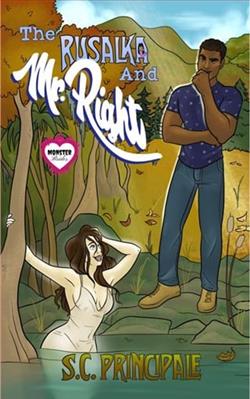
In The Rusalka and Mr. Right, S.C. Principale delivers a compelling blend of folklore and contemporary romance that mesmerizes from the first page to the last. This novel, far from being a conventional love story, interweaves Slavic mythology with the modern-day dilemmas of identity, belonging, and the complexities of human relationships, providing a fresh narrative voice and an innovative approach to genre-bending fiction.
The story unfolds with Nina, a rusalka—a Slavic water spirit akin to a siren or nymph—who has lived for centuries in the isolation of her lake, bound by the magic that both gives and restricts her life. This timeless existence capsizes when she encounters Alexei, a cynical yet charming environmental scientist who is determined to explore the supposedly untouched lake. From their very first enigmatic encounter, the novel spins a web of intrigue and attraction that challenges both characters’ understanding of their worlds.
Principale’s character development is particularly impressive. Nina, as portrayed, is not just a mythical creature, but a complex character torn between her eternal nature and a burgeoning desire for the human experiences of love, grief, and freedom. Her interactions with Alexei serve as a conduit for her exploration into human emotions, creating a poignant narrative about the price and pleasures of becoming human. Alexei, on the other hand, starts off with a pragmatic view of the world, which is compellingly juxtaposed against the mythical elements surrounding Nina. His gradual transformation, fueled by his interactions with Nina and the mysteries of the lake, is sketched with both subtlety and depth.
The author masterfully crafts the setting, using the mysterious, isolated lake as more than just a backdrop. It acts as a character in its own right, with its moods and secrets playing a pivotal role in the story’s progression. The vivid descriptions of the natural landscape help to forge a haunting atmosphere that is almost palpable, making the setting a crucial pillar of the narrative.
Furthermore, Principale integrates Slavic folklore seamlessly into the plot, educating the reader without overwhelming them with expository lumps. The myth of the rusalka is skillfully recounted and woven through the fabric of the story, with enough information for the uninitiated but not so much as to stall the narrative’s pace. This not only enriches the novel’s cultural texture but also elevates the stakes of Nina and Alexei’s relationship, imbuing it with a sense of historical depth and existential gravitas.
The narrative is also replete with themes that resonate with contemporary societal issues, such as environmental conservation and the clash between modernity and tradition. Alexei’s work, aimed at preserving natural habitats, aligns with global concerns about environmental degradation and provides a realistic layer to the plot while complementing the mythical elements. This interplay between the modern and the mythical is one of the book’s strongest suits, offering both escapism and relevant social commentary.
The pacing of the story is another aspect where Principale excels. The build-up of mystery and romance is well-balanced, keeping readers enthralled while providing enough action and revelation at just the right moments to maintain engagement without tipping into melodrama. Additionally, the secondary characters, though not as deeply explored as Nina and Alexei, provide essential support and dimension to the primary narrative, contributing to a well-rounded story.
In conclusion, The Rusalka and Mr. Right by S.C. Principale is a standout novel that offers a unique blend of myth, romance, and modern-day challenges. It celebrates the power of stories to transcend cultural boundaries and explores profound themes through the lens of engaging, well-crafted characters. Principale’s novel is a testament to the enduring appeal of folklore in contemporary storytelling, making it a must-read for fans of romance and mythological fiction alike. The book’s ability to balance different elements so adeptly makes it a compelling read, ensuring that the audience is as enchanted by the lore as they are invested in the human (and beyond) connections at the heart of the tale.



