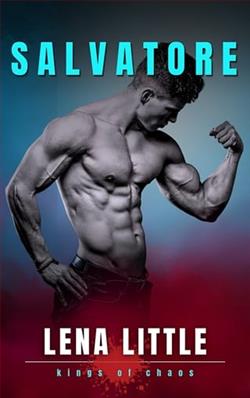
Set against the backdrop of picturesque Italy, Salvatore by Lena Little is a novel that intricately weaves together themes of self-discovery, romance, and the ever-persistent search for one’s roots. This beautifully penned narrative not only plunges its readers into vivid settings but also into the tumultuous waters of human emotions and complex familial ties.
The story follows Eleanor, a young woman from London who finds herself inheriting a small vineyard in Tuscany after the passing of a distant uncle she barely knew. With nothing but a deep-seated feeling of disconnection from her rigid corporate life, she embarks on a journey to Italy, driven by a vague hope of discovering a sense of belonging and purpose. It is here, in the sprawling fields of her vineyard, where the heart of the novel beats the loudest and where Eleanor meets Salvatore, a robust and enigmatic character, whose deep connection to the land and its history is palpable. Salvatore becomes not just a guide in the arts of vine cultivation but also a catalyst for Eleanor’s transformative journey.
The strength of Little's writing lies in her ability to craft multi-dimensional characters that are both relatable and mystifying. Salvatore, with his layers of complexity and secretive past, is a particularly compelling character. His interactions with Eleanor are charged with a blend of intellectual parity and emotional intensity, making their evolving relationship a captivating central plot line. However, what sets Salvatore apart is not just his relationship with Eleanor but his symbolic representation of Italy itself—timeless, enduring, and grappling with the scars of its history.
Eleanor’s journey towards self-discovery is beautifully paralleled with the metamorphosis of the vineyard from a neglected land into a thriving haven that mirrors her internal transformation. Lena Little eloquently captures the essence of Tuscany, with its rich landscapes and vibrant culture, crafting imagery so vivid that it serves almost as an additional character in the narrative. This meticulous attention to setting enhances the immersive experience, making readers feel as though they are walking through the vineyards, feeling the Tuscan sun warm their own skin.
The thematic heart of the novel beats with questions of identity and belonging. As Eleanor delves deeper into her uncle's past and what led him to leave her the vineyard, she uncovers family secrets that challenge her understanding of her own history and identity. These revelations are paced perfectly throughout the novel, keeping the reader engaged and invested in the unfolding drama. Moreover, Little does not shy away from addressing the more painful aspects of confronting one’s heritage, making Eleanor’s emotional struggles feel authentic and well-conceived.
Another commendable aspect of the narrative is its subtle yet poignant exploration of the contrasts between rural tranquility and urban hustle. Through Eleanor’s reflective journey, Little critiques the often-unquestioned pursuit of career and financial success, advocating for a deeper, more meaningful engagement with life and nature. This philosophical underpinning adds a rich layer to the narrative, engaging readers in a broader reflection on their own life choices and values.
However, the novel is not without its flaws. At times, the pace seems to slow, particularly in the middle chapters where Eleanor’s reflections can feel somewhat repetitive. Additionally, some secondary characters seem underdeveloped and there solely to support the protagonist's storyline without much depth of their own. Nonetheless, these are minor blemishes on an otherwise captivating canvas.
In conclusion, Salvatore by Lena Little is a thought-provoking and beautifully crafted novel that offers much more than just a scenic trip to the Italian countryside. It is a deep dive into the complexities of human connections, heritage, and the quest for authentic living. For those who are fans of evocative landscapes, rich character development, and stories of personal growth, Salvatore will undoubtedly resonate and linger long after the last page is turned.



