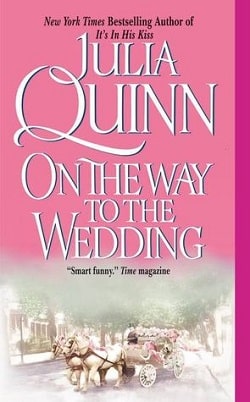
On the Way to the Wedding by Julia Quinn, the eighth and final novel in the beloved Bridgerton series, proves itself a delightful conclusion to a collection of stories that have captured the hearts of many. Set against the enticing backdrop of Regency-era England, the novel explores the intricacies of love, marriage, and societal expectations through the lens of the youngest Bridgerton sibling, Gregory. Prior entries in this series have varied in tone and focus, each shedding light on a different Bridgerton sibling’s quest for love, and this last venture maintains the charming style and wit Quinn is known for.
Gregory Bridgerton has always believed in true love. Throughout the series, Quinn has presented various facets of romance and the paths to marital bliss, showcasing each sibling’s unique journey. Gregory’s story begins similarly—filled with idealism and a firm belief in the power of a soul-stirring, earth-shattering love. However, what sets Gregory’s tale apart is its expedition into what happens when love does not occur according to one's grand design. At a society event, he experiences love at first sight—but, interestingly, not with the woman he first pursues. This twist gives a refreshing departure from the typical romantic storyline and illustrates one of Quinn’s recurring themes: love is unpredictable.
The primary characters of this narrative are portrayed with depth and authenticity. Gregory’s initial love interest, the beautiful Hermione Watson, is more than just a fair maiden awaiting rescue; she has desires and complexities that defy the era's standard damsel in distress trope. On the other hand, Lucy Abernathy, Hermione’s pragmatic and fiercely loyal friend, initially serves as an advisor to Gregory in his courtship endeavors, only to find herself entangled in her emotional conflicts. Lucy’s character development is particularly engaging. As obligations and duty clash with the desires of the heart, she must navigate her betrothal to another man while her feelings for Gregory grow. This internal conflict is portrayed with keen sensitivity and gives substantial weight to the narrative.
The narrative shines in its exploration of themes such as duty versus desire and the meaning of true happiness. These themes are skillfully woven throughout engaging dialogues and poignant character reflections, making the readers contemplate alongside the characters. Moreover, Quinn’s signature humorous undertones are present throughout, providing a light-hearted counterbalance to the more serious themes. The humor, often delivered through witty banter and the Bridgerton family's lively interactions, remains a consistent and delightful aspect of Quinn's writing style.
Structurally, the novel follows a familiar regency romance blueprint with its grand balls, scandalous whispers, and inevitable social calamities. However, it also dares to push boundaries, especially through dramatic plot twists that keep the readers on their toes. Without revealing too much, an unexpected turn concerning a secondary character adds intensity and urgency to the latter part of the story, enhancing both character growth and narrative pace.
Quinn does not merely recreate the sparkling surface of high society; she delves into the emotional and sociopolitical undercurrents shaping her characters’ lives. The historical context is not just a backdrop but an active element that influences decisions, a strength Quinn has maintained throughout the Bridgerton series. The social expectations of marriage and class, as well as the personal repercussions these entail, are depicted with nuance and historical accuracy that enrich the story.
Comparatively, while On the Way to the Wedding ties up the Bridgerton family’s tales satisfyingly, it does fall a tad predictable in some areas and might seem a bit stretched in others, particularly in the middle sections where the pace seems to slow down. However, these moments are balanced by the emotional depth and climactic build-ups that Julia Quinn has mastered over the series.
In conclusion, On the Way to the Wedding is a fitting finale to a series that has built a legacy within the historical romance genre. It not only celebrates the whimsical and tumultuous paths to love but also honors the powerful bonds of family, friendship, and personal growth. For fans of the Bridgerton series and newcomers alike, this novel promises a compelling blend of romance, wit, and historical intrigue, encased in Julia Quinn’s exquisite prose. As Gregory’s tale unfolds from fanciful idealism to heartfelt realism, readers are invited once more to indulge in the dreamy yet insightful world of the Bridgertons.



