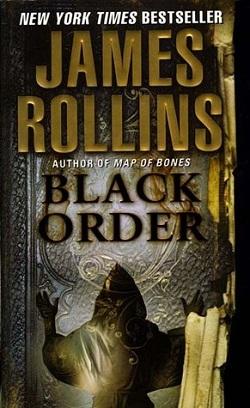
James Rollins' Black Order, the third installment in the Sigma Force series, is a masterful blend of historical intrigue, scientific speculation, and relentless action. This novel takes readers on a whirlwind journey across continents, weaving a complex narrative that is both intellectually stimulating and viscerally thrilling. Rollins, known for his ability to blend fact with fiction, delivers a story that is as thought-provoking as it is entertaining.
The plot kicks off with a mysterious fire in a Copenhagen bookstore, setting off a chain of events that span four continents. The fire is not just an act of arson but a calculated move to steal a Bible once owned by Charles Darwin. This seemingly simple theft unravels into a deeper conspiracy that ties back to Nazi Germany and its dark scientific experiments. Rollins expertly uses this historical backdrop to create a narrative that is both believable and chilling. The inclusion of real historical elements, such as Darwin's Bible and Nazi experiments, lends an air of authenticity to the story, making the reader question the boundaries between history and fiction.
One of the standout aspects of Black Order is its character development. Commander Gray Pierce, the protagonist, is a well-rounded character who embodies the perfect blend of intellect and action. His journey is not just a physical one but also an emotional and intellectual quest. As he delves deeper into the mystery, Pierce is forced to confront his own beliefs and the ethical implications of the scientific discoveries he uncovers. This internal conflict adds depth to his character, making him more relatable and human.
Lisa Cummings, the young American doctor, is another compelling character. Her involvement in the mystery begins in a remote monastery in Nepal, where she witnesses the horrifying effects of a mysterious malady that drives Buddhist monks to madness. Lisa's character is a refreshing addition to the narrative, providing a strong female perspective in a genre often dominated by male protagonists. Her alliance with Painter Crowe, the director of Sigma Force, adds another layer of complexity to the story. Crowe, who is also affected by the malady, becomes a symbol of the personal stakes involved in the larger conspiracy.
The themes explored in Black Order are both timely and timeless. Rollins delves into the ethical implications of scientific advancement, questioning the moral boundaries of experimentation. The novel also explores the idea of evolution, not just in the biological sense but also in terms of human consciousness and societal development. These themes are woven seamlessly into the narrative, prompting readers to reflect on their own beliefs and the future of humanity.
Rollins' writing style is both engaging and accessible. He has a knack for creating vivid imagery and crafting scenes that are both cinematic and immersive. The pacing of the novel is relentless, with each chapter ending on a cliffhanger that compels the reader to keep turning the pages. Despite the fast pace, Rollins does not sacrifice character development or thematic depth, striking a perfect balance between action and introspection.
In terms of comparison, Black Order shares similarities with Dan Brown's The Da Vinci Code in its use of historical and religious elements to drive the narrative. However, Rollins distinguishes himself with his focus on scientific themes and his ability to create complex, multi-dimensional characters. Fans of Clive Cussler and Michael Crichton will also find much to enjoy in Rollins' work, as he combines the adventurous spirit of Cussler with the scientific intrigue of Crichton.
The impact of Black Order extends beyond its thrilling plot and well-developed characters. It challenges readers to think critically about the role of science in society and the ethical implications of pushing the boundaries of human knowledge. The novel's exploration of evolution and its potential to alter the destiny of humankind is both fascinating and unsettling, leaving readers with much to ponder long after they have turned the last page.
In conclusion, James Rollins' Black Order is a tour de force that combines historical intrigue, scientific speculation, and relentless action into a cohesive and compelling narrative. With its well-developed characters, thought-provoking themes, and expertly crafted plot, this novel is a must-read for fans of the genre. Rollins has once again proven himself to be a master storyteller, delivering a book that is as intellectually stimulating as it is entertaining. Whether you are a long-time fan of the Sigma Force series or a newcomer to Rollins' work, Black Order is sure to captivate and thrill.



