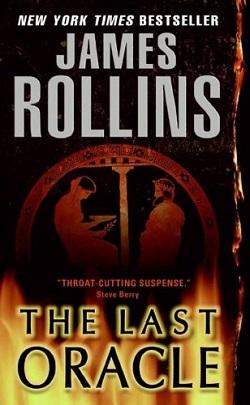
James Rollins’ The Last Oracle, the fifth installment in the Sigma Force series, is a thrilling blend of science, history, and adventure that grips readers from the very first page. Rollins, known for his meticulous research and fast-paced storytelling, once again delivers a narrative that intertwines ancient mysteries with modern-day dilemmas, creating a tapestry of suspense that keeps readers on the edge of their seats.
The story begins with a dramatic scene in Washington, D.C., where Commander Gray Pierce witnesses the death of a homeless man, who clutches a mysterious coin linked to the ancient Greek Oracle of Delphi. This opening sets the tone for a novel that is as much about the past as it is about the present. The coin serves as a catalyst for a series of events that unravel a conspiracy rooted in Cold War-era ideologies, showcasing Rollins’ ability to weave historical elements into contemporary narratives.
One of the central themes of The Last Oracle is the ethical implications of scientific advancement. The Jasons, an international think tank, represent the intersection of genius and moral ambiguity. Their ambition to bioengineer autistic children with savant abilities into something greater raises profound questions about the nature of humanity and the potential consequences of playing God. Rollins does not shy away from exploring the darker side of scientific progress, making readers ponder the cost of such advancements. This theme resonates with current discussions surrounding genetic engineering and artificial intelligence, making the novel not just a work of fiction but a commentary on real-world issues.
Character development is another strong suit of Rollins’ writing. Gray Pierce is portrayed as a complex hero, grappling with the weight of his responsibilities while navigating a world filled with danger and intrigue. His relationship with the homeless man, who becomes a pivotal figure in the story, adds depth to his character, showcasing his empathy and moral compass. The introduction of the amnesiac man in the subterranean research facility adds another layer of complexity, as he embarks on a journey of self-discovery while simultaneously trying to thwart a catastrophic plan. The interplay between these characters highlights the theme of sacrifice, as they are forced to confront their own limitations and make difficult choices for the greater good.
Rollins’ ability to create vivid settings enhances the reading experience. From the ancient ruins of Greece to the toxic landscapes of Russia, each location is meticulously described, immersing readers in a world that feels both real and fantastical. The contrast between the historical elements and the modern-day settings creates a rich backdrop for the unfolding drama, allowing readers to appreciate the depth of the narrative. The author’s knack for blending fact with fiction is evident, as he seamlessly incorporates historical references and scientific concepts into the plot, making it both educational and entertaining.
The pacing of The Last Oracle is relentless, with each chapter ending on a cliffhanger that propels the reader forward. Rollins expertly balances action sequences with moments of introspection, ensuring that the narrative never feels rushed. The stakes are high, and the tension builds steadily as Gray Pierce and his allies race against time to prevent a global catastrophe. This sense of urgency is palpable, making it difficult to put the book down.
In comparison to other works in the genre, such as Dan Brown’s The Da Vinci Code or Clive Cussler’s adventure novels, Rollins stands out for his ability to blend scientific inquiry with historical intrigue. While Brown often focuses on religious themes and Cussler on maritime adventures, Rollins delves into the ethical dilemmas of modern science, making his narratives feel particularly relevant in today’s society. The incorporation of real scientific theories and historical events lends an authenticity to the story that is both engaging and thought-provoking.
Moreover, Rollins’ writing style is accessible yet sophisticated, appealing to a broad audience. His ability to explain complex scientific concepts in layman’s terms allows readers to engage with the material without feeling overwhelmed. This accessibility is crucial in a genre that often risks alienating readers with jargon-heavy prose.
Overall, The Last Oracle is a masterful blend of adventure, science, and philosophy that challenges readers to consider the implications of humanity’s quest for knowledge. Rollins’ characters are well-developed, the plot is intricately woven, and the themes resonate deeply in a world increasingly defined by technological advancements. As Gray Pierce navigates a landscape fraught with danger and moral ambiguity, readers are left to ponder the question: “Will the past be enough to save the future?” This thought-provoking inquiry lingers long after the final page is turned, solidifying Rollins’ place as a leading voice in contemporary thriller literature.
In conclusion, The Last Oracle is not just a thrilling read; it is a reflection on the human condition, the ethical boundaries of science, and the enduring power of history. For fans of the Sigma Force series and newcomers alike, this novel is a must-read that promises to entertain and provoke thought in equal measure.



