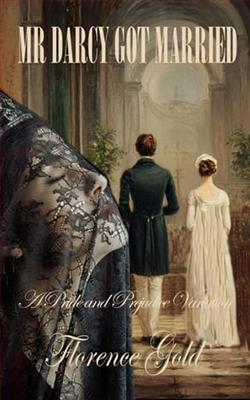
Florence Gold's Mr Darcy Got Married offers an intriguing twist on the beloved classic Pride and Prejudice, inviting readers into a world where the paths of Elizabeth Bennet and Mr. Darcy diverge, only to converge again in unexpected ways. This second edition, with its refined format and enhanced historical grounding, promises a fresh experience even for those familiar with the first edition.
The novel's premise is both bold and captivating. It explores a scenario where Elizabeth and Darcy, after the infamous proposal at Kent, are separated by circumstances and misunderstandings. Elizabeth's realization of her love for Darcy is immediate, yet fate conspires against her, preventing her from expressing her feelings. This sets the stage for a narrative rich in emotional depth and quiet sorrow, as both characters navigate their separate lives, each believing that their chance at happiness together has been lost forever.
One of the most compelling aspects of Gold's narrative is her treatment of Anne de Bourgh. In Austen's original, Anne is a shadowy figure, overshadowed by her domineering mother, Lady Catherine. However, in Mr Darcy Got Married, Anne emerges as a pivotal character with her own agency and ambitions. Her marriage to Darcy is not the end of her story but the beginning of a carefully orchestrated plan to free herself from her mother's control. This transformation of Anne from a passive character to an active agent of change is both surprising and refreshing, adding a new layer of complexity to the story.
The character development in this novel is noteworthy. Gold delves deep into the emotional landscapes of her characters, particularly Darcy and Elizabeth. Darcy's journey from desperation to hope is portrayed with sensitivity and nuance. His initial decision to marry Anne is driven by a sense of duty and resignation, yet as he discovers Anne's true intentions, he is filled with a renewed sense of possibility. This evolution is mirrored in Elizabeth's own journey, as she grapples with her feelings and the seeming impossibility of a future with Darcy.
Gold's exploration of themes such as love, duty, and personal agency is both thoughtful and engaging. The novel raises questions about the nature of marriage and the societal expectations of the Regency era, particularly in relation to annulment, divorce, and remarriage. These historical elements are woven seamlessly into the narrative, providing a rich backdrop against which the characters' personal dramas unfold.
The pacing of the novel is well-balanced, with moments of tension and introspection interspersed with scenes of quiet reflection. Gold's prose is elegant and evocative, capturing the essence of Austen's style while adding her own unique voice. The dialogue is sharp and witty, reminiscent of the original, yet infused with a modern sensibility that makes the characters' struggles and triumphs feel immediate and relatable.
In comparison to other Pride and Prejudice variations, Mr Darcy Got Married stands out for its innovative plot and character-driven narrative. While many adaptations focus on the romantic tension between Elizabeth and Darcy, Gold's novel delves deeper into the emotional and psychological complexities of their relationship. The inclusion of Anne de Bourgh as a central figure adds a fresh dynamic, setting this novel apart from other retellings.
Overall, Mr Darcy Got Married is a compelling and thought-provoking addition to the world of Pride and Prejudice adaptations. It offers a unique perspective on beloved characters, exploring themes of love, loss, and redemption with grace and insight. For fans of Austen and newcomers alike, this novel promises a satisfying journey filled with unexpected twists and a hopeful conclusion.
In conclusion, Florence Gold's reimagining of Darcy and Elizabeth's story is a testament to the enduring appeal of Austen's characters and the timeless nature of their struggles and triumphs. Mr Darcy Got Married invites readers to believe in the possibility of happy endings, even when they seem out of reach. It is a story that resonates with the heart, reminding us that love, in all its forms, is worth fighting for.



