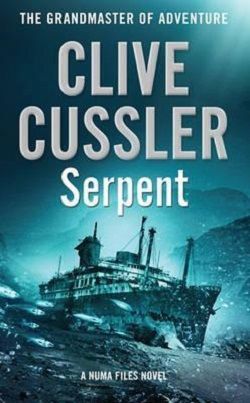
Serpent, the first installment in Clive Cussler's NUMA Files series, plunges readers into a thrilling underwater adventure that intertwines history, archaeology, and high-stakes action. Set against the backdrop of the icy depths off Nantucket, the narrative revolves around the wreck of the Italian luxury liner Andrea Doria, which conceals a treasure that could rewrite history and alter the future of the United States.
The novel opens with a gripping premise: a pre-Columbian artifact that may prove Christopher Columbus was not the first European to discover America. This tantalizing hook sets the stage for a fast-paced narrative filled with danger, intrigue, and the relentless pursuit of truth. Cussler's ability to weave historical facts with fiction is one of the book's standout features, as he explores themes of discovery, greed, and the moral implications of knowledge.
Kurt Austin, the protagonist and leader of the National Underwater Marine Agency (NUMA) exploration team, is a quintessential Cussler hero—brave, resourceful, and driven by a sense of justice. His character development is well-crafted; Austin is not merely a rugged adventurer but a man with a deep appreciation for history and the importance of preserving it. His partnership with Nina Kirov, a marine archaeologist, adds depth to the narrative. Kirov is portrayed as intelligent and capable, embodying the modern woman who is not afraid to take risks in pursuit of her passion. Their dynamic is engaging, as they navigate both the physical dangers posed by Halcon and the emotional complexities of their burgeoning relationship.
Halcon, the antagonist, is a powerful Texas industrialist whose ambition knows no bounds. His plan to carve out a new nation from the southwestern United States and Mexico is chilling and serves as a stark reminder of how greed can corrupt even the most noble intentions. Cussler paints Halcon as a multifaceted villain, driven by a desire for power and control, making him a formidable opponent for Austin and Kirov. The tension between these characters escalates throughout the novel, leading to a series of thrilling confrontations that keep readers on the edge of their seats.
The pacing of Serpent is relentless, with Cussler expertly balancing action sequences with moments of reflection and character development. The underwater exploration scenes are vividly described, immersing readers in the beauty and peril of the ocean depths. Cussler's attention to detail in depicting the technical aspects of marine archaeology adds authenticity to the story, appealing to readers who appreciate a well-researched backdrop for their adventures.
One of the book's central themes is the quest for knowledge and the ethical dilemmas that arise from it. As Austin and Kirov delve deeper into the mystery of the Andrea Doria and its hidden treasure, they confront the question of whether some truths are better left undiscovered. This theme resonates throughout the narrative, prompting readers to consider the implications of their own pursuits of knowledge and the potential consequences of uncovering the past.
Moreover, Cussler's exploration of historical revisionism through the character of Columbus adds a layer of complexity to the story. The notion that history is often written by the victors is a powerful commentary that invites readers to question the narratives they have been taught. This theme is particularly relevant in today's society, where discussions about historical accuracy and representation are increasingly prominent.
In terms of its overall impact, Serpent serves as an exhilarating introduction to the NUMA Files series. Cussler's ability to blend history with adventure creates a captivating reading experience that appeals to fans of both genres. The novel's cliffhanger ending leaves readers eager for more, setting the stage for future installments in the series.
When compared to other adventure novels, such as those by James Rollins or Dan Brown, Cussler's work stands out for its emphasis on marine exploration and the mysteries of the ocean. While Rollins often incorporates elements of science fiction and Brown focuses on conspiracy theories, Cussler's approach is rooted in historical exploration and the thrill of underwater discovery. This unique angle adds a refreshing twist to the genre, making Serpent a must-read for adventure enthusiasts.
In conclusion, Clive Cussler's Serpent is a masterfully crafted adventure that combines history, archaeology, and high-stakes action. With well-developed characters, a gripping plot, and thought-provoking themes, it captivates readers from start to finish. Whether you are a long-time fan of Cussler or new to his work, this novel promises an exhilarating journey that will leave you eagerly anticipating the next installment in the NUMA Files series.



