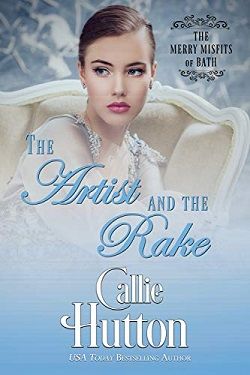
The Artist and the Rake, the fourth installment in Callie Hutton's series The Merry Misfits of Bath, is a captivating historical romance that intertwines themes of resilience, justice, and the complexities of love. Set against the backdrop of Victorian England, Hutton masterfully crafts a narrative that not only entertains but also provokes thought about societal issues that remain relevant today.
The story centers around Lizbeth Davenport, a talented artist whose life has been marred by tragedy and injustice. After losing her family to influenza, Lizbeth finds herself alone and struggling to survive. Her situation worsens when she is unjustly fired from her job, leading to her kidnapping and subsequent sale to a brothel. Hutton does an excellent job of portraying Lizbeth's emotional turmoil and the anger that simmers beneath her surface. This anger is not just a personal struggle; it reflects a broader societal issue of women's rights and the horrors of sex trafficking, making Lizbeth a compelling protagonist who embodies both vulnerability and strength.
On the other side of the narrative is Marcus Mallory, a rake who enjoys the freedom of bachelorhood but is thrust into a situation that challenges his views on love and responsibility. Marcus is initially portrayed as a man who relishes his independence, yet his character development is significant as he becomes increasingly involved in Lizbeth's plight. His initial reluctance to commit to a relationship contrasts sharply with his growing attraction to Lizbeth, creating a tension that drives the plot forward. Hutton skillfully navigates Marcus's internal conflict, allowing readers to witness his transformation from a carefree gentleman to a man who recognizes the importance of fighting for justice and love.
The chemistry between Lizbeth and Marcus is palpable, yet it is complicated by Lizbeth's trauma. Hutton does not shy away from exploring the psychological effects of Lizbeth's experiences, particularly her aversion to physical touch. This aspect of her character adds depth to the romance, as Marcus must navigate her boundaries while also trying to protect and support her. The author’s sensitivity in handling such a delicate subject is commendable, making the relationship feel authentic and grounded in reality.
One of the standout themes in The Artist and the Rake is the fight against injustice. Lizbeth's determination to bring down the sex slavery ring that ensnared her is not just a personal vendetta; it is a rallying cry for all women who have suffered at the hands of a patriarchal society. Hutton's portrayal of Lizbeth as an artist also serves as a metaphor for her desire to reclaim her life and identity. Art becomes a means of expression and empowerment, allowing her to channel her pain into something beautiful and impactful.
The pacing of the novel is well-executed, with a balance of tension and tenderness. Hutton expertly weaves in moments of suspense as Lizbeth and Marcus work together to dismantle the criminal enterprise, while also allowing for quieter, intimate moments that deepen their connection. The supporting characters, including friends and allies, add richness to the narrative, each contributing to the overarching theme of solidarity in the face of adversity.
Hutton's writing style is engaging and evocative, painting vivid pictures of both the opulence and the darkness of Victorian society. Her attention to detail brings the setting to life, immersing readers in the world of Bath during this tumultuous period. The dialogue is sharp and witty, often laced with humor that provides relief from the heavier themes, making the reading experience enjoyable and dynamic.
In comparison to other historical romances, such as those by authors like Julia Quinn or Lisa Kleypas, Hutton's work stands out for its focus on social issues intertwined with romance. While many historical romances tend to romanticize the past, Hutton confronts the harsh realities faced by women, making her narrative not only a love story but also a call to action. This blend of romance and social commentary is reminiscent of Sarah MacLean's works, where strong female leads challenge societal norms while navigating their own romantic journeys.
Overall, The Artist and the Rake is a poignant and powerful addition to Hutton's series. It explores the complexities of love, trauma, and the fight for justice in a way that resonates deeply with readers. Lizbeth and Marcus's journey is not just about finding love; it is about healing, empowerment, and the courage to stand up against the injustices of the world. Hutton's ability to weave these themes into a compelling narrative makes this book a must-read for fans of historical romance and those who appreciate stories that challenge the status quo.
In conclusion, Callie Hutton has delivered a remarkable tale that will linger in the minds of readers long after the last page is turned. With its rich character development, engaging plot, and relevant themes, The Artist and the Rake is a testament to the resilience of the human spirit and the transformative power of love.



