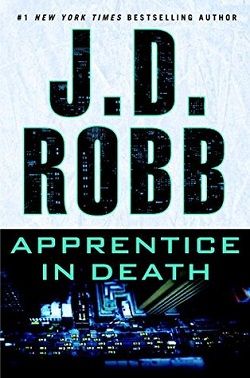
In Apprentice in Death, the 43rd installment of J.D. Robb's long-running In Death series, readers are once again thrust into the gritty, futuristic world of New York City, where Lieutenant Eve Dallas of the NYPSD grapples with a chilling new case. The novel opens with a shocking scene at Central Park's ice skating rink, where three seemingly random victims—a talented young skater, a doctor, and a teacher—are brutally murdered by a sniper using a tactical laser rifle. This harrowing event sets the stage for a gripping exploration of the themes of nature versus nurture, the psychology of evil, and the complexities of human relationships.
Robb's storytelling shines as she weaves a narrative that is both thrilling and thought-provoking. The initial shock of the murders quickly gives way to a deeper investigation into the motivations behind the killings. Eve Dallas, a character who has become a beloved figure in contemporary crime fiction, is portrayed with her usual tenacity and depth. Her determination to uncover the truth is palpable, and readers are drawn into her relentless pursuit of justice. The author skillfully balances the procedural elements of the investigation with the emotional weight of Eve's personal struggles, particularly her reflections on the nature of evil and the impact of upbringing on one's choices.
One of the most compelling aspects of Apprentice in Death is its exploration of the duality of human nature. The sniper's actions raise questions about whether individuals are born with an inherent propensity for violence or if they are shaped by their environment. This theme resonates throughout the novel, particularly as Eve discovers that the sniper is not acting alone; there is an apprentice—a younger individual being trained in the art of killing. This dynamic adds layers to the narrative, as it forces Eve to confront the uncomfortable reality that evil can be cultivated, often under the guidance of a more experienced mentor.
The character development in this installment is particularly noteworthy. Eve's relationship with her husband, Roarke, continues to evolve, showcasing a partnership that is both supportive and complex. Roarke's resources and intellect play a crucial role in the investigation, and their interactions highlight the balance of power and vulnerability in their marriage. Robb deftly illustrates how their love serves as a grounding force for Eve, even as she navigates the dark waters of her profession. The emotional stakes are high, and readers will find themselves invested not only in the case but also in the personal lives of the characters.
Robb's ability to create tension is masterful. The pacing of the novel is relentless, with each chapter ending on a note that compels the reader to continue. The sniper's attacks escalate, and the sense of urgency builds as Eve races against time to prevent further tragedies. The author employs vivid imagery and detailed descriptions that immerse readers in the setting, making them feel the weight of the city and the danger that lurks within it. The stakes are raised not just for the victims but for Eve and her team, as they grapple with the implications of their findings.
Moreover, the novel does not shy away from addressing broader societal issues. The discussion of gun violence and the accessibility of lethal weapons in society is woven into the narrative, prompting readers to reflect on real-world implications. Robb's commentary is subtle yet impactful, encouraging a dialogue about the nature of violence and its roots in both individual choice and societal structures.
As the investigation unfolds, the tension between the mentor and the apprentice becomes increasingly pronounced. The psychological cat-and-mouse game that ensues is both thrilling and unsettling. Readers will find themselves questioning the motivations of each character, wondering who can truly be trusted and what drives individuals to commit heinous acts. This exploration of morality and the human psyche is a hallmark of Robb's writing, and it elevates the narrative beyond a standard crime thriller.
In comparison to other works in the genre, Apprentice in Death stands out for its character-driven approach and its philosophical underpinnings. While many crime novels focus solely on the mechanics of the crime, Robb delves into the emotional and psychological ramifications of violence. Authors like Tess Gerritsen and Karin Slaughter also explore similar themes, but Robb's unique blend of romance, suspense, and social commentary sets her apart. The In Death series has cultivated a dedicated fanbase, and this installment is sure to satisfy long-time readers while also appealing to newcomers.
Overall, Apprentice in Death is a compelling addition to J.D. Robb's oeuvre. It combines a gripping plot with rich character development and thought-provoking themes, making it a must-read for fans of the genre. The exploration of nature versus nurture, the complexities of evil, and the strength of human connection resonate deeply, leaving readers with much to ponder long after the final page is turned. Robb's ability to craft a narrative that is both entertaining and intellectually stimulating is a testament to her skill as a storyteller. This book is not just a crime thriller; it is a profound exploration of what it means to be human in a world fraught with darkness.



