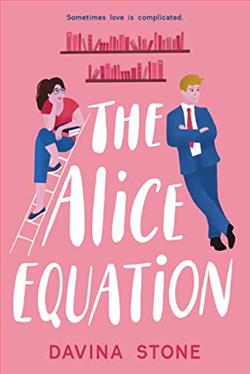
In The Alice Equation, the first installment of the Laws of Love series by Davina Stone, readers are treated to a delightful blend of romance, self-discovery, and the complexities of relationships. The story revolves around Alice Montgomery, a relatable protagonist whose life feels stagnant, akin to the repetitive cycle of Groundhog Day. Five years post-graduation, Alice finds herself still working in her mother’s quaint bookshop, harboring a secret stash of romance novels and pining for Aaron Blake, the charming guy who once helped her through a panic attack. This setup introduces us to a world where dreams and reality collide, and where love can often feel like an elusive equation waiting to be solved.
The narrative kicks off with Alice’s mundane existence, which immediately resonates with anyone who has ever felt stuck in a rut. Her character is beautifully crafted; she embodies the struggles of many young adults who grapple with the pressures of societal expectations and personal aspirations. Alice’s passion for literature and her hidden love for romance novels serve as a poignant metaphor for her yearning for a life filled with excitement and love. Stone’s portrayal of Alice is both endearing and empowering, as she embarks on a journey of self-discovery that challenges her to step out of her comfort zone.
On the other hand, we have Aaron Blake, a character who initially appears to be the quintessential party boy, committed only to his legal career and his three-month relationships. However, as the story unfolds, we see layers to his character that reveal a deeper complexity. Aaron’s need for a fake date to impress the conservative partners at his new law firm sets the stage for a charming and humorous exploration of love and commitment. The chemistry between Alice and Aaron is palpable, and their interactions are filled with witty banter and genuine moments of connection that keep readers engaged.
One of the central themes of The Alice Equation is the exploration of identity and the transformative power of love. As Alice begins to embrace her femininity and shed her insecurities, she discovers a newfound confidence that allows her to express herself in ways she never thought possible. The vintage frocks and lace lingerie symbolize her journey towards self-acceptance and empowerment. Stone skillfully illustrates how love can act as a catalyst for personal growth, encouraging readers to reflect on their own experiences with love and self-discovery.
Moreover, the concept of a “fake relationship” is a classic trope in romance literature, and Stone executes it with finesse. The initial premise of Alice and Aaron pretending to be a couple leads to a series of humorous and heartwarming situations that highlight the absurdities of modern dating. As they navigate the complexities of their arrangement, both characters are forced to confront their feelings and the realities of their lives. This tension adds depth to the narrative, making it more than just a simple love story.
However, the book is not without its challenges. As secrets are revealed and lies come to light, both Alice and Aaron must grapple with the consequences of their actions. This aspect of the story introduces a layer of conflict that is essential for character development. Stone does an admirable job of balancing the lighthearted moments with the more serious themes of trust and vulnerability. The emotional stakes are raised as both characters must confront their fears and insecurities, ultimately leading to a satisfying resolution that feels earned and authentic.
In terms of pacing, The Alice Equation maintains a steady rhythm that keeps readers engaged throughout. Stone’s writing style is accessible and engaging, with a knack for creating vivid imagery that brings the characters and their surroundings to life. The dialogue is sharp and witty, reflecting the personalities of the characters while also advancing the plot. The romantic tension builds gradually, culminating in a climax that is both satisfying and thought-provoking.
When comparing The Alice Equation to other contemporary romance novels, it stands out for its focus on character development and the exploration of deeper themes. While many romance novels may prioritize plot over character, Stone’s work emphasizes the importance of personal growth and self-acceptance. Readers who enjoy the works of authors like Christina Lauren or Talia Hibbert will likely find much to love in Stone’s writing, as she captures the essence of modern romance with a refreshing perspective.
Overall, The Alice Equation is a charming and insightful read that explores the complexities of love, identity, and personal growth. Davina Stone has crafted a narrative that is both entertaining and thought-provoking, inviting readers to reflect on their own experiences with love and self-discovery. With relatable characters, witty dialogue, and a compelling storyline, this book is sure to resonate with anyone who has ever felt lost in the pursuit of love. As Alice and Aaron navigate the ups and downs of their relationship, readers are left with a sense of hope and the understanding that love, in all its forms, is indeed the most challenging equation of all.



